







In recent years, the Japandi style has become a reference point for those seeking balance between aesthetics and functionality. Born from the fusion of Japanese and Scandinavian design, this style combines minimalism, natural materials, and visual harmony, creating spaces that are essential yet welcoming.
Applied to the table, Japandi translates into a “zen” mise en place, where every element has a precise purpose and nothing is superfluous. Clean lines, neutral colors, well-balanced spaces, and materials such as wood, linen, and glass take center stage. In this context, glassware is not just functional, but helps create an atmosphere of light, transparency, and calm.
Here’s how to choose the right glasses and plates for a Japandi table, enhancing the setting with elegance and coherence.
Modigliani: the versatile stem glass for an essential table
The Modigliani glass is perfect for a Japandi table thanks to its clean shape and versatility. It can be used for both wine and light cocktails, reducing the number of elements on the table while keeping the overall setting tidy.
In a zen-inspired style, fewer objects mean greater harmony. Choosing Modigliani allows you to simplify the mise en place without sacrificing elegance.
To enhance it, pair it with matte ceramic or stoneware plates and natural linen napkins. The transparency of the glass creates a delicate contrast with textured surfaces, adding light without disturbing the visual balance.

Botero: depth and presence for red wine
The Botero glass introduces a more defined presence, ideal for structured red wines. Its full, rounded shape integrates perfectly into a Japandi table, where each element must have a balanced visual weight.
In a minimal composition, Botero becomes a point of stability: not excessive, but distinctive. Placed alongside lighter elements, it helps create a harmonious visual rhythm.
A practical tip is to use it during evening dinners, with soft lighting and low candles. The glass will capture reflections, making the atmosphere warmer while maintaining the clean aesthetic typical of the style.

Chàdi: the slow gesture of wine
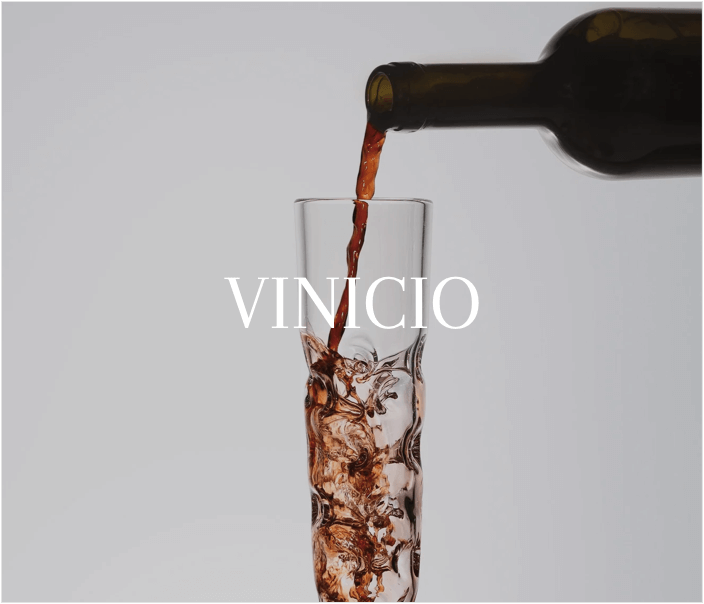
The Chàdi oxygenating glass perfectly embodies the Japandi spirit: it invites you to slow down, observe, and fully experience the moment.
Its oxygenating function is not only technical, but also ritual. Pouring the wine, letting it breathe, observing its color—these gestures transform the table into a mindful experience.
In a zen mise en place, Chàdi pairs well with a bare table, with only a few carefully placed elements. It can also be used as a single glass for a more intimate tasting, emphasizing the quality of the moment over the quantity of objects.

Ottavio: water as an element of balance
The Ottavio glass completes the Japandi table with simplicity and functionality. Water, an essential element, deserves a container that reflects the style: clean, minimal, and free of unnecessary decoration.
Ottavio integrates easily with all other glasses, maintaining visual consistency. Placed next to the stemware, it contributes to a tidy and balanced composition.
A practical suggestion is to use it for infused water with citrus or herbs: functional, yet also an aesthetic detail that enriches the table without weighing it down.

Phil 93: the tea ritual between technique and essentiality
The Phil 93 teapot perfectly interprets the Japandi aesthetic, combining functionality with formal purity. Made entirely of borosilicate glass, it stands out for its essential, well-defined lines, designed to enhance the content within.
In a zen mise en place, it becomes the quiet protagonist of the tea moment: its transparency allows the infusion to be observed, transforming an everyday gesture into a small ritual. Paired with a wooden tray, it strengthens the connection with natural materials, creating a warm and harmonious visual balance.
The slender spout ensures precise and controlled pouring, while the possibility of using it over an open flame, with a heat diffuser, enhances its versatility. A technical yet poetic object, perfectly aligned with a style that celebrates slowness, care, and awareness.

Dotto: essentiality and versatility for the Japandi table
The Dotto plate fits perfectly into a Japandi mise en place thanks to its modern, essential design. Its clean shape and refined transparency make it a discreet yet highly expressive element, capable of enhancing appetizers and small servings without weighing down the visual composition. On a table where every detail is carefully balanced, Dotto brings lightness and continuity, interacting naturally with materials such as wood and linen. Its versatility makes it ideal not only for serving, but also for more creative uses: it can become a small tray for tea or a minimal decorative element, perfectly aligned with a zen aesthetic that favors simple, functional, and never ordinary objects.

A table that invites calm
Creating a Japandi-style table means finding balance between solids and voids, between function and aesthetics. Glassware plays a fundamental role: it should not only serve, but also contribute to the atmosphere.
Choosing glasses such as Modigliani, Botero, Chàdi, and Ottavio, along with plates like Dotto, allows you to build a coherent mise en place, where every object interacts with the others and with the surrounding space.
Ultimately, Japandi style is not just about design—it is an invitation to slow down, to experience the table more consciously, transforming every moment into a simple yet meaningful experience.